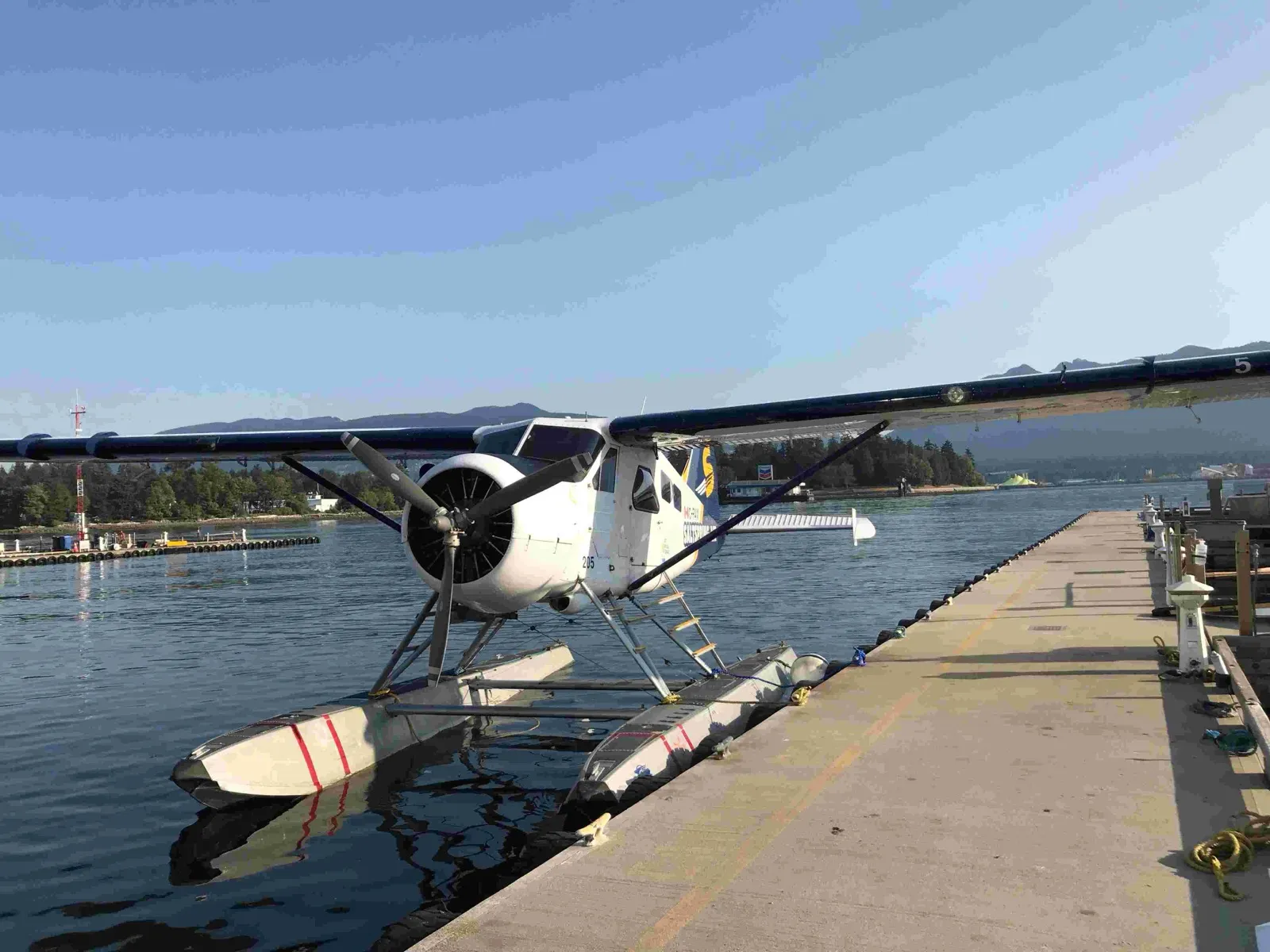
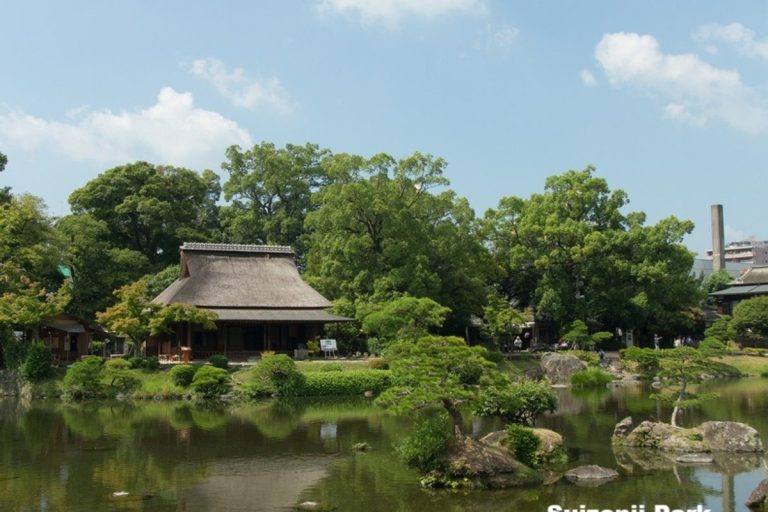
 Fukuoka
5-Day Kyushu Tour by Public Transport
from CA$2,348 /person

Aso, Takachiho, Beppu, and the Ryukyu Islands. Southern Japan of volcanoes, myths, and hot springs.
Fukuoka
from CA$2,348 /person
 Fukuoka
from CA$685 /person
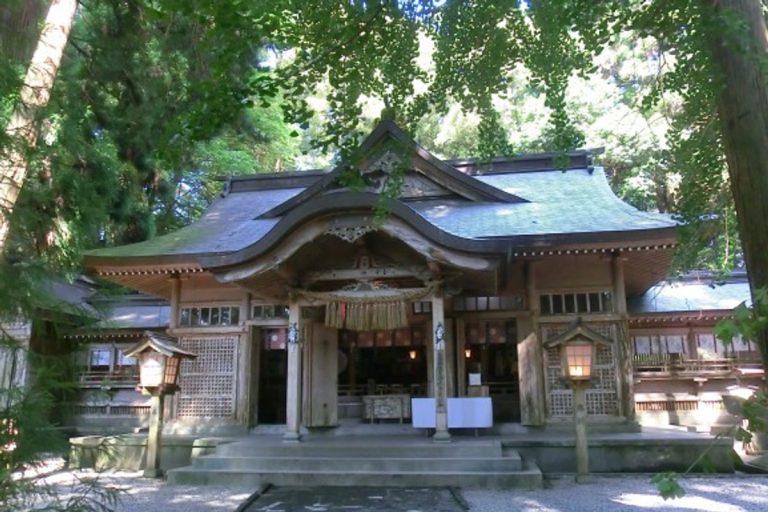 Kumamoto
from CA$770 /person
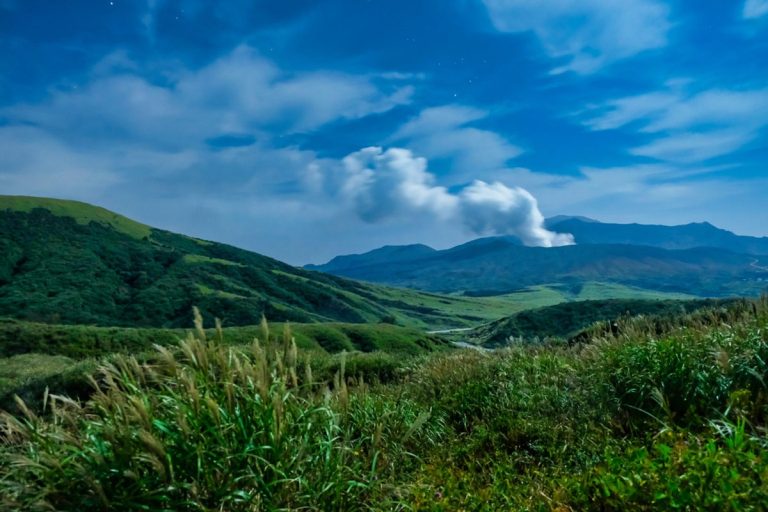 Kumamoto
from CA$790 /person
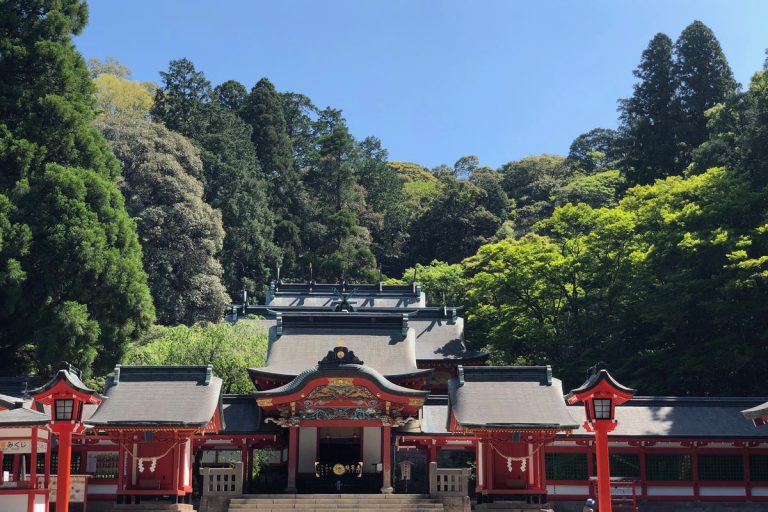 Kagoshima
from CA$700 /person
 Fukuoka
from CA$295 /person
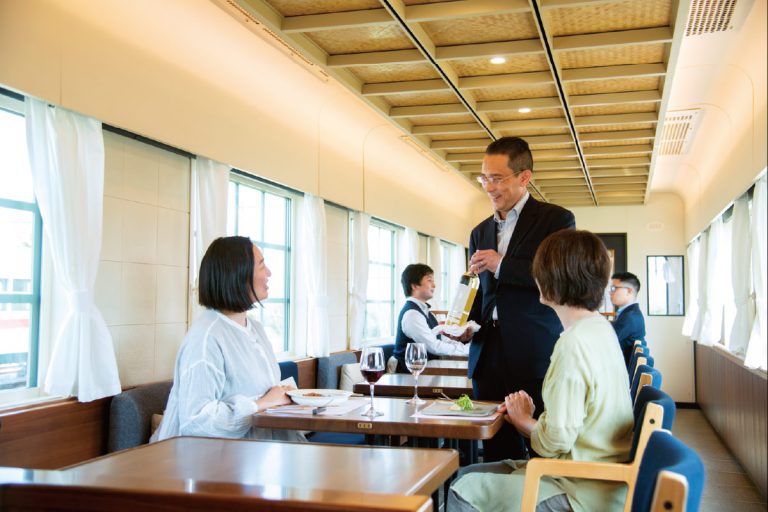 Fukuoka
from CA$118 /person
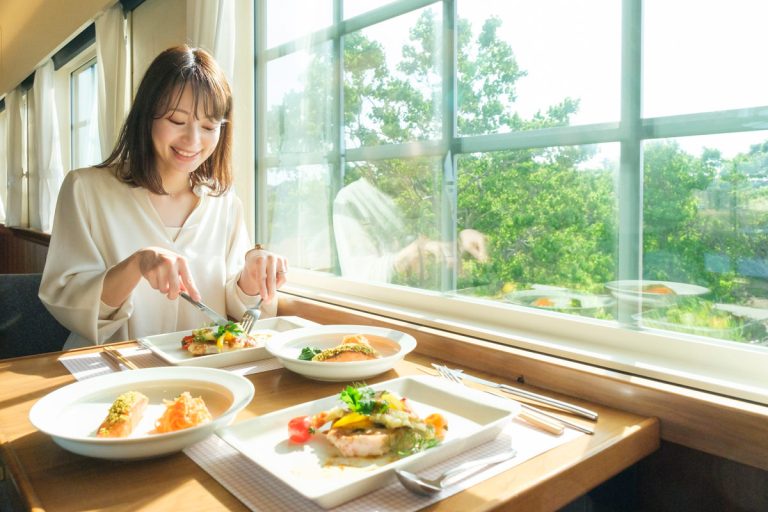 Fukuoka
from CA$118 /person
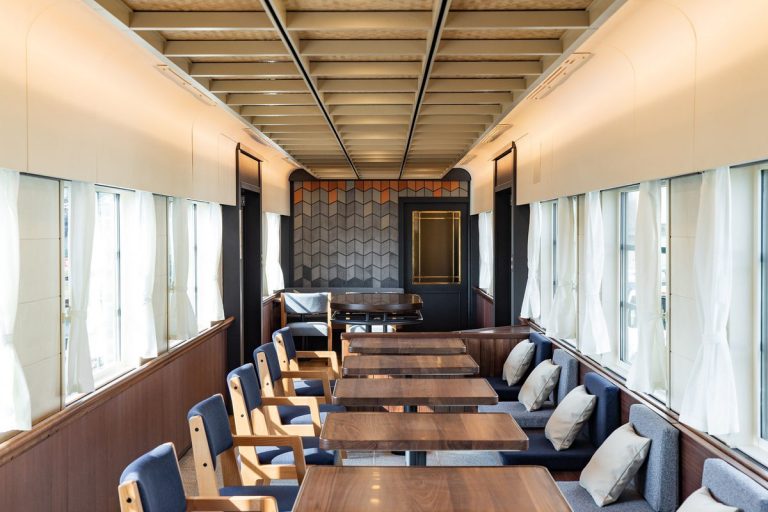 Fukuoka
from CA$107 /person
 Fukuoka
from CA$118 /person
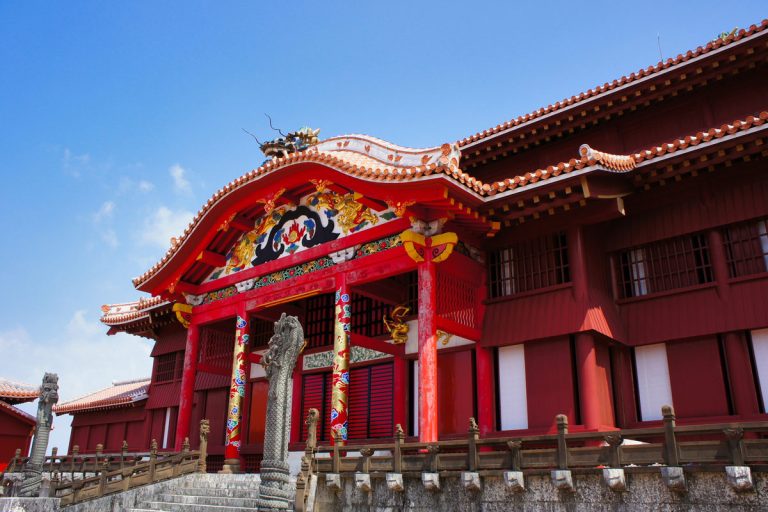 Naha
Naha
from CA$65 /person
Aso, Takachiho, Beppu, and the Ryukyu Islands. Southern Japan of volcanoes, myths, and hot springs. We arrange both the classics of this area and the places the English-speaking world has not found yet, priced in Canadian dollars and backed by Japanese-standard support.
Prices and rules are as checked in August 2026. We update this page as they change.
| Climate and clothing |
Kyushu is mild, but the summer sun is fierce. Okinawa is subtropical, with days you can still swim in November. Leave spare days in the plan during typhoon season (July to October). |
|---|---|
| Best time to go |
Spring and autumn for Kyushu; the onsen work year-round. Okinawa is at its best just after the rainy season, late June to early July, and again from late October into November once the typhoons settle. |
| Gateway |
Fukuoka Airport is 5 minutes from Hakata by subway, which makes it the most convenient airport in Japan. For Okinawa, Naha Airport. The Kyushu Shinkansen links Hakata and Kagoshima in about 90 minutes. |
| Language |
The official language is Japanese. In the cities and at the major sights, English signage is good, and station names and line guidance are shown in romaji as standard. Outside the cities plenty of places have no English menu, so Google Lens (photo translation) is the single most useful thing you can carry. On our English-guided tours, language is not something you need to think about at all. |
| Currency |
The currency is the Japanese yen (JPY, ¥). Notes come in 1,000, 5,000 and 10,000 yen, and there are six coins, from ¥1 to ¥500. Rather than changing money at the airport, withdrawing cash from a 7-Eleven ATM (they accept foreign cards and have an English screen) is more reliable and the rate is steadier. |
| Cards and cashless |
In the cities, credit cards and tap-to-pay work almost everywhere. Small inns, local diners, shrines and rural buses are still cash-first, though. If you are travelling outside the cities, plan on carrying ¥30,000 to ¥50,000 in cash. For transport and convenience stores, an IC card such as Suica (it can live on your phone) is the easy option. |
| Visas |
Canadian and US passport holders need no visa for tourist stays of up to 90 days. Register with Visit Japan Web before you leave and you clear immigration and customs with a QR code. Exchanging a JR Pass requires the Temporary Visitor stamp you receive on entry, so keep your passport with you at all times. |
| Time difference |
Toronto is 13 hours behind Japan (during daylight saving time) and Vancouver is 16 hours behind. Westbound jet lag shows up as falling asleep early and waking very early, so for the first two or three days, put 6 a.m. temple and shrine visits on the plan and turn it to your advantage. |
| Tipping |
There is no tipping culture in Japan. Money left on the table will be handed back to you. Service is included in the price, and for good service a simple gochisosama (thank you for the meal) is all that is expected. |
| Safety |
Japan is one of the safest countries in the world. Walking alone at night, or leaving a bag on a cafe table to hold your seat, are everyday sights. The realistic risks here are natural rather than criminal: earthquakes, typhoons and summer heatstroke. If you enable emergency alerts on your phone, a warning reaches you seconds in advance. |
| Costs |
Eating out is cheaper than in North America. A good lunch runs ¥1,000 to ¥1,500, and convenience-store food is cheap and surprisingly good. Hotels are expensive in the big cities and 30 to 50 per cent cheaper in the regions. Prices are quoted tax-included as a rule and nothing is added for tipping, so the bill holds no surprises. |
| Getting around |
The rail network is the best in the world, and the shinkansen covers Tokyo to Kyoto in 2 hours 10 minutes. The JR Pass rose in price by around 70 per cent in 2023, so it is now essential to compare all three options: the nationwide pass, a regional pass, and buying tickets individually. Within cities it is an IC card plus the subway; off the beaten path, local bus timetables are what decide your day. |
| Internet |
Free Wi-Fi is less dependable than its reputation suggests. Bring an eSIM (activated by QR code before you leave) or one of our unlimited-data SIMs. Whether Google Maps and Google Lens work all the time makes an enormous difference to how hard the trip feels. |
| Power plugs |
Japanese sockets are the same type A as North America, so you do not need an adapter. The voltage is 100V (North America runs 110 to 120V), but phones, laptops and cameras all work as they are. Only heating appliances such as hair dryers need any thought. |
| Drinking water |
Tap water is safe to drink anywhere in the country. Restaurants bring free water (ohiya) to the table without being asked. Refill points are becoming more common, so a reusable bottle earns its place in your bag. |
| Toilets |
Toilets in stations, convenience stores and department stores are free to use, and the standard of cleanliness is world class. Heated washlet seats are the norm, and a lot of visitors name them a highlight of the trip. |
| Travel insurance |
Japanese medical care is excellent, but visitors are billed in full and are normally expected to settle before discharge. Provincial health plans cover only a small fraction of overseas medical costs. Check that you have medical cover and repatriation, plus cover for typhoon-related itinerary changes if you are travelling between July and October. |
Contact us by form or phone → we check availability → we send a quote (in Canadian dollars) → you review and pay → we issue your vouchers. Nothing is charged at the quote stage.
Visa, Mastercard, AMEX, and bank transfer. If you visit our office, debit cards and cash also work. Everything is billed in Canadian dollars.
Each operator and property has its own policy. We always hand you the exact cancellation terms that apply to your booking, in writing, before you pay. And before cancelling, ask us whether a date change would cost less. It often does.
Of course. Send us your dates, group size, and the places you want to go, and we will prepare a quote. There is no obligation to book.
Yes. That is actually the most common way clients use us. Out of your self-planned two weeks, “just one night at an onsen ryokan” or “just the Kumano Kodo lodging and luggage forwarding” is perfectly fine.
For cherry blossoms (late March–April), autumn foliage (November), Golden Week, and the New Year period, 6–9 months ahead; otherwise 2–3 months. For popular ryokan and Kyoto in cherry-blossom season, even a year ahead is not too early.
Your quote and payment are fixed in Canadian dollars. Once you have paid, the amount does not change even if the yen moves.
Quotes are free and there is no obligation to book. We will not chase you with follow-up calls either. Feel free to use us as one of the companies you are comparing.
We will check availability and the total price for any tour that catches your eye, in English or Japanese. Quotes are free. Tour availability, quotes, and anything else. We reply within 24 hours on business days.