Transport & passes

These are the questions our two Canadian offices answer every day while putting trips together. By the end of this page you will be able to build your own itinerary.
With a Canadian or US passport you do not need a visa for tourist stays of up to 90 days. There are only three things to do.
Advance registration for immigration and customs. Do it before you fly and the airport is just a matter of showing a QR code. It is free.
Japan is stricter than North America. Some ADHD medications and anything containing codeine cannot be brought in. Always check by drug name.
It is not mandatory, but Japanese hospitals bill visitors the full amount. Cover medical costs, and from July to October, typhoons.
The season changes the whole character of the trip. The same Kyoto is a different city in April, in November and in February.
 Spring
Late March–May
10–25°C
Cherry blossoms peak from late March to early April: the most beautiful, the most crowded, the most expensive. Late April to mid-May has the best weather of the year, and if you dodge Golden Week (Apr 27–May 6) it is the sweet spot.
Spring
Late March–May
10–25°C
Cherry blossoms peak from late March to early April: the most beautiful, the most crowded, the most expensive. Late April to mid-May has the best weather of the year, and if you dodge Golden Week (Apr 27–May 6) it is the sweet spot.
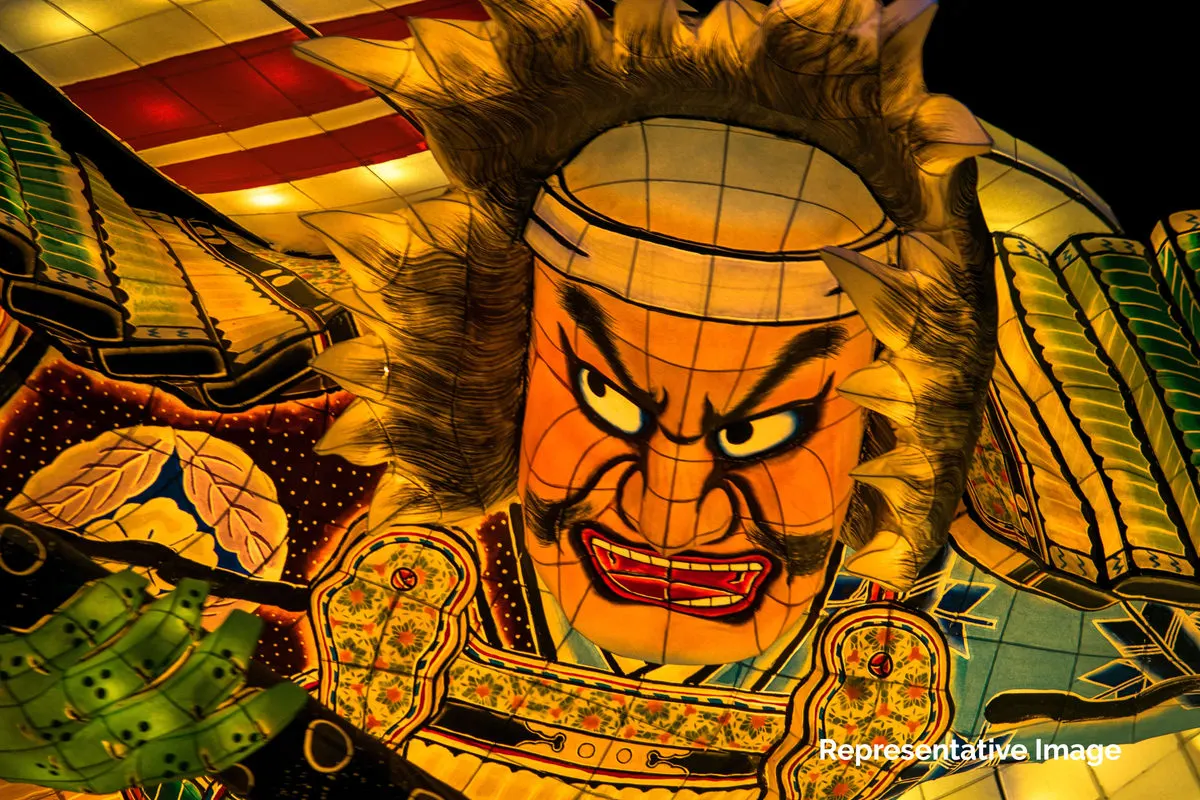 Summer
June–August
22–35°C
June to mid-July is the rainy season. It rains a lot, but rooms are cheap and garden moss is at its finest. From late July it is hot, humid and full of festivals. Hokkaido is the one comfortable exception.
Summer
June–August
22–35°C
June to mid-July is the rainy season. It rains a lot, but rooms are cheap and garden moss is at its finest. From late July it is hot, humid and full of festivals. Hokkaido is the one comfortable exception.
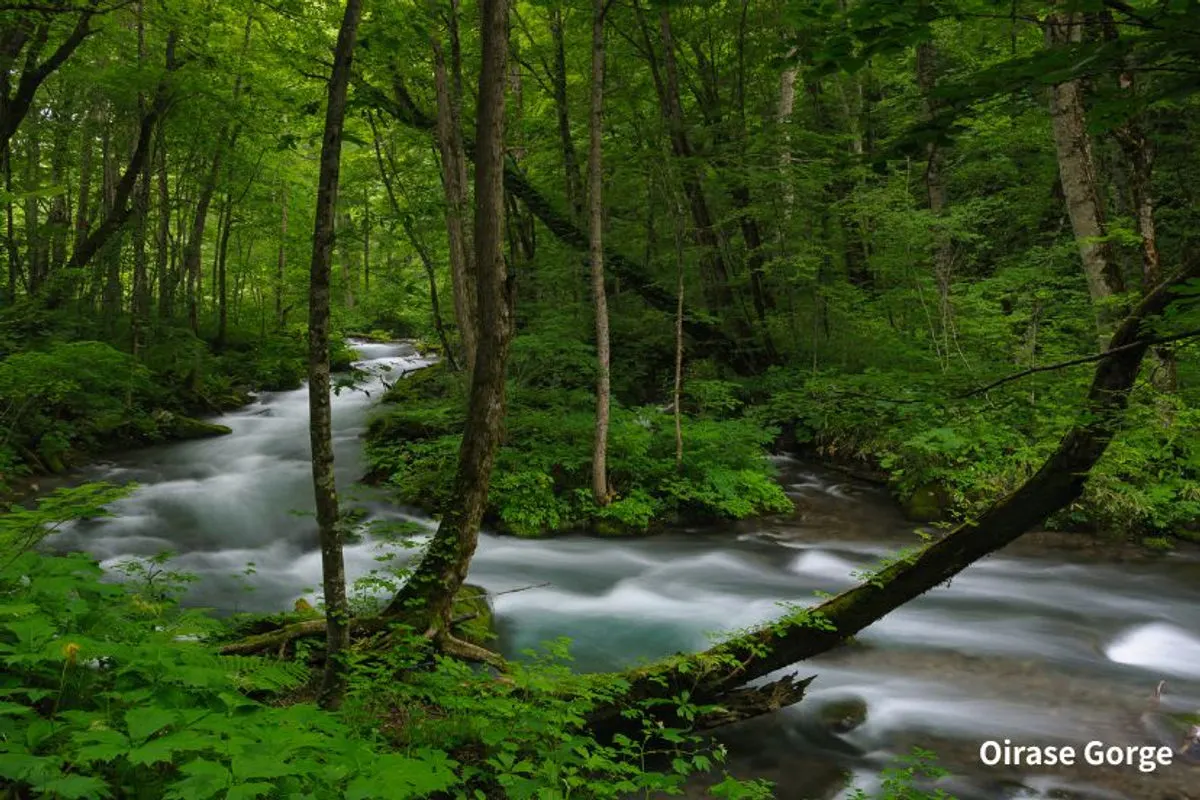 Autumn
September–November
10–30°C
September brings lingering heat and typhoon risk, then turns comfortable and cheap from late in the month, which is when people in the know book. October and November are the best of the year for comfort. Autumn foliage moves from north to south over about two months.
Autumn
September–November
10–30°C
September brings lingering heat and typhoon risk, then turns comfortable and cheap from late in the month, which is when people in the know book. October and November are the best of the year for comfort. Autumn foliage moves from north to south over about two months.
 Winter
December–February
0–10°C
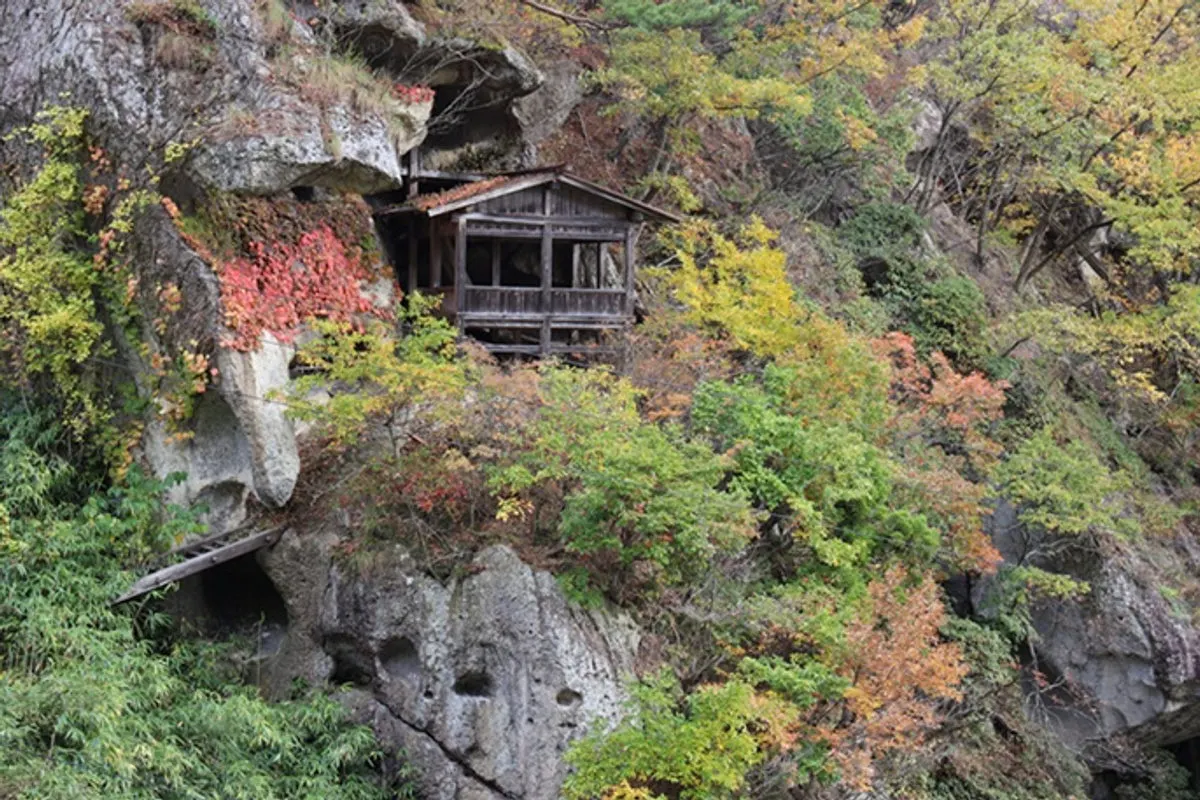
Snow, onsen and skiing. The air is at its clearest, and this is when Mt. Fuji is most visible. Many businesses close over the New Year period (Dec 29–Jan 3).
Winter
December–February
0–10°C
Snow, onsen and skiing. The air is at its clearest, and this is when Mt. Fuji is most visible. Many businesses close over the New Year period (Dec 29–Jan 3).
There are non-stop flights from Canada. And which Tokyo airport you choose decides how good your first day is.
About 30 minutes to central Tokyo
60–90 minutes to central Tokyo
Japan is a cashless country and a cash country at the same time. Carry a little of both.
In cities, Visa, Mastercard, AMEX and tap-to-pay are near universal. Convenience stores, stations and chain restaurants are no problem.
Small restaurants, temple and shrine admissions and some local buses are cash only. ¥30,000–50,000 will carry you through a week.
Seven Bank and Japan Post Bank are the most reliable with foreign cards. Open 24 hours, with English screens.
Tipping is not a custom in Japan. Trying to leave one only puts the other person in an awkward spot.
Displayed prices include tax as a rule. Nothing surprises you at the register.
Tax-free sales at the till are ending and moving to a refund at customs when you leave. For large purchases you will have to front the tax first.
Free Wi-Fi is less dependable than its reputation. Set things up so your map works the moment you land.
This is the best rail network in the world. All you have to learn is one IC card and the basics of the shinkansen.
A hotel and a ryokan are not the same purchase. At a ryokan, the stay itself is the destination.
| Business hotel | ¥8,000–15,000 | Clean and functional, right by the station. Plenty for several nights in a city. |
|---|---|---|
| City hotel | ¥18,000–40,000 | Works exactly the way a North American hotel does. |
| Ryokan | ¥15,000–40,000 | Tatami, futon, onsen, dinner and breakfast included. One or two nights is the right dose. |
| Machiya or whole-house rental | From ¥20,000 | For three people or more it can undercut two hotel rooms. |
Eating out in Japan costs less than in North America and rarely disappoints. A few customs are worth knowing in advance.
These seven are all you need. You do not have to be perfect.
Ryokan, temples and some restaurants. The genkan, the entryway set one step lower, is the signal.
Sit down and rinse off completely before the bath. Your towel does not go into the water.
Keep conversation quiet, and take calls in the vestibule or on the platform.
Carry a small bag and dispose of your trash at a convenience store or your hotel.
The basic rule is to finish it standing in front of the shop you bought it from.
A simple gochisosama at the end says thank you perfectly well.
Bow lightly at the torii, keep off the middle of the approach path, and respect no-photography signs.
Japan is one of the safest destinations in the world. The realistic risk is natural disaster rather than crime.
This is the skeleton of a first trip to Japan. Add to it and it becomes a two-week itinerary.
Arrive, and do not overfill it
Land at Haneda, check into the hotel, and do nothing beyond Asakusa and the Sumida River in the evening. Whatever you schedule on a jet-lagged first day, you pay for on the second.
Tokyo
East Tokyo
Breakfast at Tsukiji, the East Gardens of the Imperial Palace, and Shibuya Crossing in the evening. Old town and modern city in one day.
Tokyo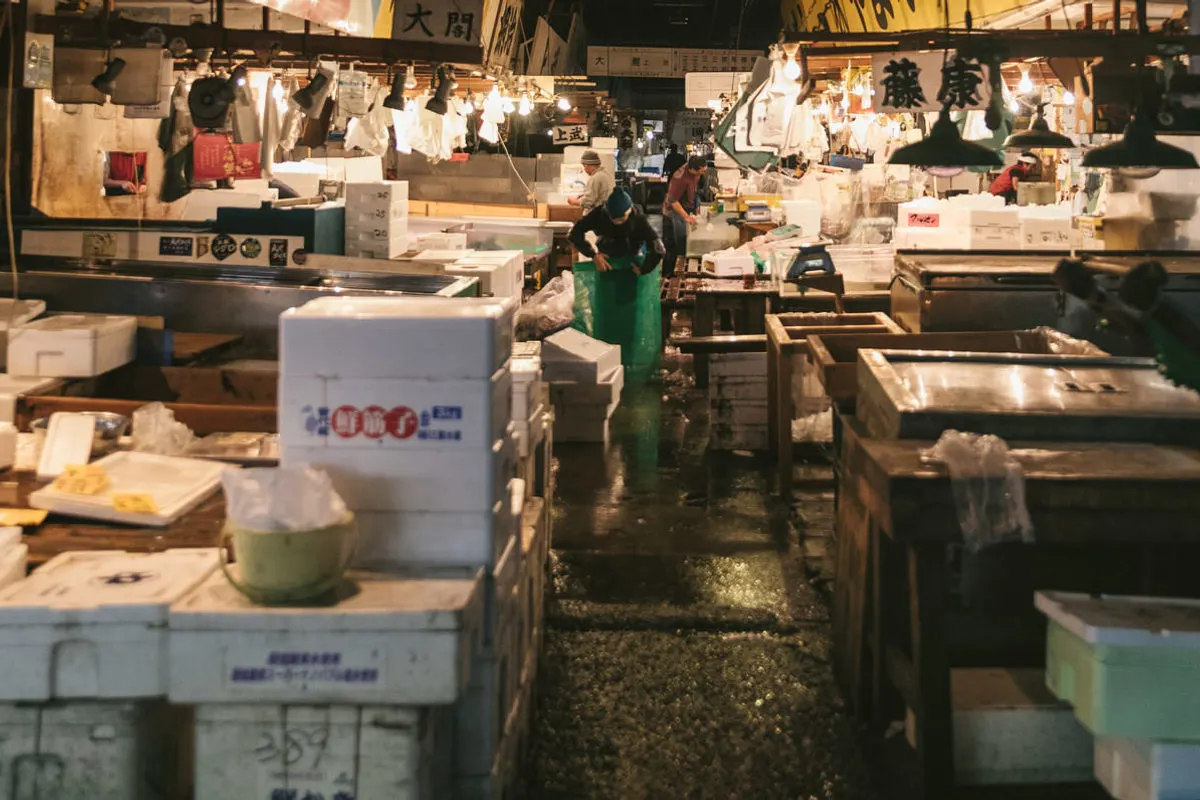
West Tokyo
Meiji Jingu, then Harajuku and Omotesando. A drink in a yokocho alley at night.
TokyoShinkansen to Kyoto
Forward your suitcase to the Kyoto hotel and travel light. Walk Higashiyama in the evening once you arrive.
Kyoto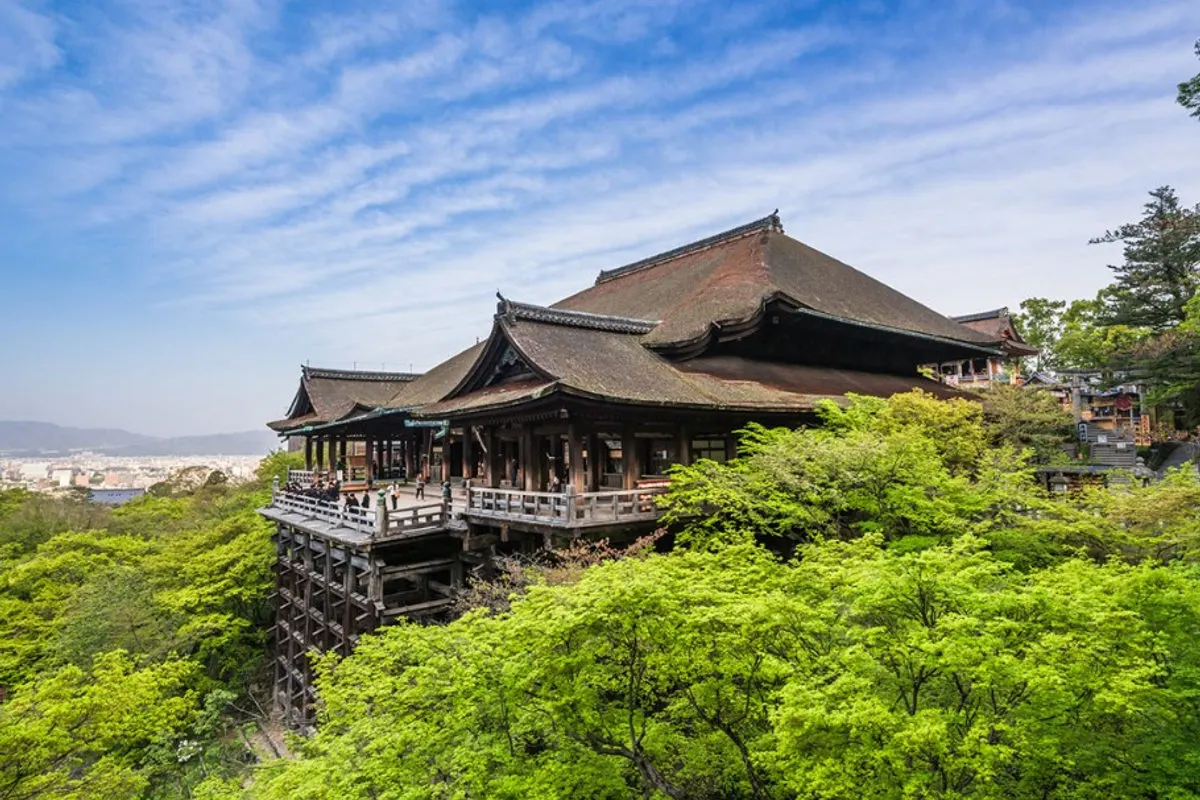
Kyoto, first thing in the morning
Fushimi Inari at 7:00 (nobody there), then Kiyomizu-dera and Gion. Night illuminations after dark.
KyotoArashiyama and Nara
The bamboo grove and Tenryu-ji in the morning; the Great Buddha and the deer of Nara in the afternoon (45 minutes from Kyoto).
Kyoto
Homeward
Fly home from Kansai. Or head back to Tokyo and add one more night.
DepartureOnly five things are specific to Japan. Everything else is the same as any other trip.
At major stations, hotels and visitor sites, yes. Small independent places are often Japanese-only, but between a translation app and pointing at things, you will rarely be stuck. The situations that do get hard, like phoning a ryokan, booking a sought-after restaurant, or negotiating when something goes wrong, are exactly the ones we take over in Japanese while you deal with us in English.
It is one of the safest destinations in the world. Late-night trains and children travelling on their own are everyday sights. Most of the guardedness you have built up in North American cities is simply not needed. Worry less about pickpockets and more about summer heat and knowing the basics for a natural disaster.
For a first trip, seven days covers the Tokyo plus Kyoto and Nara skeleton. With 10 to 14 days you can add Hiroshima, Kanazawa or a Hakone onsen and turn it into the once-in-a-lifetime version. With five days or fewer, pick one city and stay there.
Excluding flights, ¥25,000–35,000 per person per day (lodging, food, transport and admissions) is the mid-range guideline. That is roughly CA$1,700–2,400 for seven days. Business hotels and set meals bring it down by about 30 per cent; ryokan and sushi push it up by about 50 per cent.
Japan suits family travel very well. It is safe, it is clean, and the trains run on time. Major stations have elevators for strollers. One caveat: ryokan dinners run long, so for small children an in-room meal plan is much easier.
We can arrange all of it, or any part of it: flights, hotels, ryokan, JR Pass, tours, restaurant bookings, luggage forwarding. The most common request we get is something like: I have built my own two weeks, but I want you to handle the onsen ryokan and the three days on the Kumano Kodo.
Finished reading? Talk to us next.
Your dates and party size are enough to start. We turn what is on this page into your own itinerary.
Where this page stops, these articles keep going, with a full article deep on each.