Sapporo & Otaru itinerary: how to spend day one, and how to build from there
An efficient route through Sapporo & Otaru with times attached. First-time visitors can use it exactly as written.
Contents
Sapporo is laid out on a grid, a rarity in Japan, and is unusually easy to walk. You can cover the city sights in half a day, so the most efficient plan is to pair it with Otaru (32 minutes by rapid train) for a full day.
A one-day itinerary for Sapporo & Otaru
| Time | Stop | What you do there |
|---|---|---|
| 8:30 | Nijo Market or Jogai Market | Seafood-bowl breakfast. A donburi topped with uni, salmon roe, and crab runs around ¥3,000. This is the right way to start a Hokkaido morning |
| 10:00 | Sapporo Clock Tower & Former Hokkaido Government Office | Meiji-era buildings from the pioneering days, a 10-minute walk apart |
| 11:00 | Odori Park | A ribbon of park running 1.5 km east to west. Look down from the TV Tower and the city’s layout snaps into focus |
| 12:30 | Move on to Otaru | 32 minutes on the JR Rapid Airport. The stretch along the sea is a lovely ride |
| 13:15 | Otaru Canal | A canal lined with stone warehouses. It is most beautiful at dusk, when the gas lamps come on |
| 14:30 | Sakaimachi Street | The tourist heart of Otaru: glass studios, the Music Box Museum, and sweets shops like Rokkatei and LeTAO |
| 16:00 | Sushiya-dori | Otaru is a sushi town. Arrive before evening and many shops seat you without a wait |
| 18:30 | Back to Sapporo for Susukino | Jingisukan or soup curry, then a parfait to finish: the classic Sapporo night out |
How to add day two and beyond
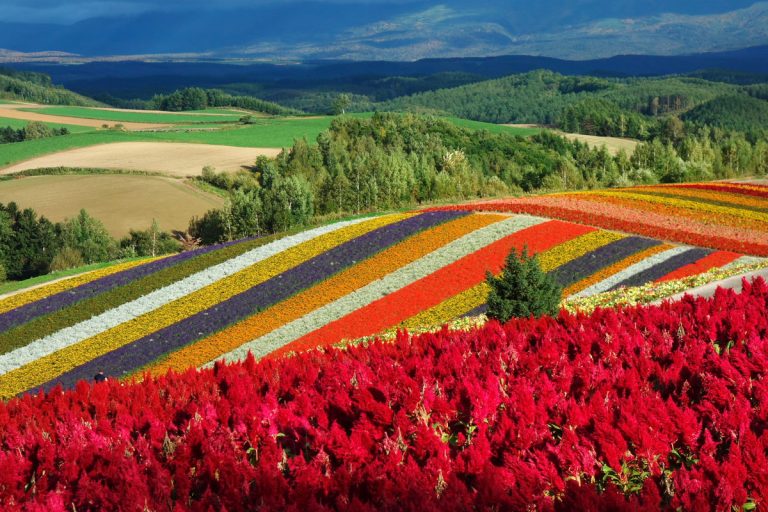
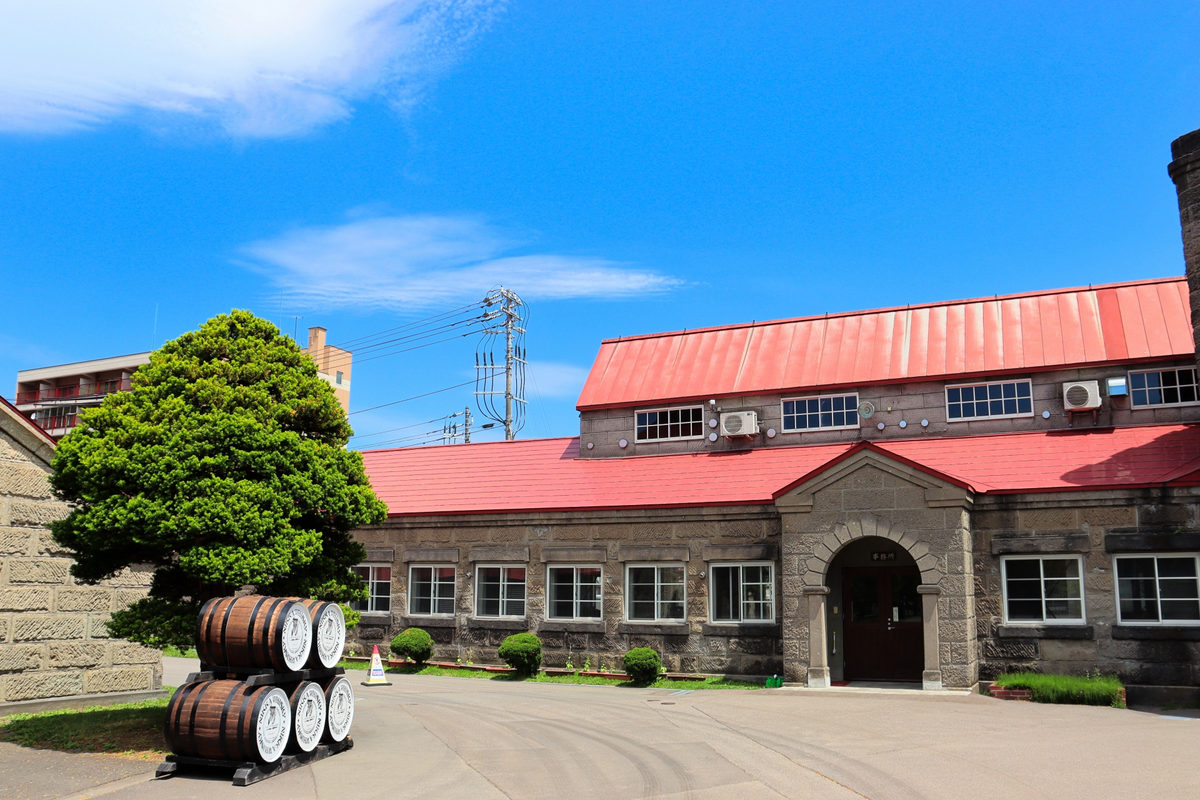
On day two, head out of town. Take a day-trip soak at Jozankei Onsen (50 minutes by car), visit the Nikka Whisky distillery in Yoichi, or in winter hit a ski slope 30 minutes from the city. If you have a third day, the natural next step is Furano and Biei, or the hot-spring towns of Noboribetsu and Lake Toya. Sapporo is Hokkaido’s gateway, so basing yourself here and making day trips in each direction wastes the least time.
If you only have half a day
With half a day: a seafood bowl at the morning market, then Odori Park and the TV Tower, then the Former Government Office. Or focus on Otaru alone, taking in the canal, Sakaimachi Street, and sushi. Trying to do both in half a day does not work.
Frequently asked questions
Should I stay in Sapporo or Otaru?
Sapporo. It wins on hotel choice, number of restaurants, and transport connections. Otaru is small enough to see fully on a day trip. That said, if you want Otaru’s gas lamps at night and the quiet of the canal in the morning, one night in Otaru is worth it.
How many days do I need for Sapporo itself?
One day is enough. Sapporo’s real value is as a base for the rest of Hokkaido. If you are staying two nights or more, be sure to build in day trips out of the city.
Let us handle the arrangements
This route is based on the itineraries we actually hand to clients we book for Sapporo & Otaru. We will rearrange it around your dates, energy level, and interests. Just ask.
See Hokkaido tours Free consultation
Planning essentials for Sapporo & Otaru
Beyond the main topic of this article, here is a summary of everything you need to plan a trip to Sapporo & Otaru, with links to the full article on each subject.
Seasons and temperatures
| Season | Typical temperatures | Highlights and cautions |
|---|---|---|
| Spring (Apr–May) | 3–17°C | Cherry blossoms in early May, a month later than Honshu, so Golden Week is hanami season here |
| Summer (Jun–Aug) | 14–26°C | No rainy season and low humidity make this the most comfortable summer in Japan. Lavender peaks in July |
| Autumn (Sep–Oct) | 7–20°C | Fall color in mid-October. Crisp air, and the best season for food |
| Winter (Nov–Mar) | -8–1°C | Snow cover lasts from December to late March. The February Snow Festival, skiing, and open-air baths in the snow |
It depends on what you are after: September–October for food and comfortable weather, January–February for snow and hot springs, June–July for flowers and long daylight. Avoid April (the thaw turns the city muddy) and November (the snow is still thin and the fall color is over). Clothing guidance and seasonal events are covered in the best time to visit Sapporo & Otaru.
What to eat
- Jingisukan: Lamb grilled on a domed iron pan: the soul food of Hokkaido. Seek out shops serving fresh (never-frozen) lamb. ¥1,500–2,500 per person
- Miso ramen: Born in Sapporo. Butter and corn on top is not a tourist gimmick. It is genuinely how locals eat it
- Soup curry: A thin, spice-forward curry invented in Sapporo. Bone-in chicken and flash-fried vegetables are the standard. Around ¥1,300
- Kaisendon (seafood bowl): Breakfast at Nijo Market or Jogai Market. Uni, salmon roe, scallops, crab. ¥2,500–4,000
- Otaru sushi: More than 20 shops on Sushiya-dori. Lunch omakase from ¥3,000; dinner from ¥8,000
- Shime parfait: The Sapporo custom of ending a night of drinking with a parfait. Dedicated parfait bars stay open late into the night
- Dairy and sweets: Soft-serve, Rokkatei, LeTAO, Shiroi Koibito. The best souvenir sweets in Japan
Breakfast ¥1,500–3,500 (more if you go for a seafood bowl), lunch ¥1,200–2,000, dinner ¥3,000–7,000. For the quality of the ingredients, Hokkaido is a bargain, in practice 20–30% cheaper than comparable restaurants in Tokyo. Budget ¥6,000–10,000 per day for food. For where to find each dish, see what to eat in Sapporo & Otaru.
Budget at a glance
Figure ¥45,000–60,000 per person for 3 days / 2 nights (roughly CA$450–600): ¥30,000 for two hotel nights, ¥24,000 for three days of food, and ¥6,000 for transport and admissions. Add round-trip airfare from North America (CA$1,300–2,300 with a Tokyo connection). There are no nonstop flights from North America to New Chitose, so you will connect at Haneda or Narita.
Hotel rates by class and the cuts that actually save money are detailed in the Sapporo & Otaru budget guide.
Getting there
Hokkaido’s gateway is New Chitose Airport (CTS). There are no nonstop flights from North America, so you will connect through Haneda, Narita, or Kansai. From Tokyo it is a 90-minute flight; by shinkansen plus local express it takes over 8 hours, so flying is the practical way in.
| Route | Time | Notes |
|---|---|---|
| Haneda → New Chitose | About 1 hr 35 min | More than 50 flights a day. One way ¥12,000–30,000. The busiest air route in Japan |
| New Chitose Airport → Sapporo Station | About 37 min | JR Rapid Airport, ¥1,150. Every 15 minutes |
| Tokyo → Shin-Hakodate-Hokuto | About 4 hr | Hokkaido Shinkansen, covered by the JR Pass. Sapporo is another 3.5 hours beyond by limited express |
| Sapporo → Otaru | About 32 min | JR Rapid Airport, ¥750. The seaside stretch is the scenic highlight |
| Sapporo → Furano | About 2 hr | Limited express plus local train, or seasonal direct trains. In summer, the Furano-Biei Norokko sightseeing train |
Local transport and the passes worth buying are covered in getting to Sapporo & Otaru.
Good to know before you go
- Winter footing: Packed snow and ice cause a steady stream of falls. Boots with gripping soles are your single best piece of safety gear
- Falling roof snow: Stay clear of building eaves. The “beware of falling snow” signs are serious warnings
- Ground blizzards: Outside the city, visibility can drop to zero. Check the forecast before any winter drive
- Susukino touts: A few bars run inflated-bill scams. Never follow anyone who approaches you on the street
- Brown bears: They live in the surrounding forests, with sightings even on Mt. Maruyama and Mt. Moiwa. Avoid solo hikes at dawn or dusk
- Early sunsets: Around the winter solstice it is dark before 4 PM. Front-load your daily plans
- Pushy crab vendors: Some market stalls sell hard. Confirm prices first, and decline firmly if you are not interested
Etiquette and emergency contacts are covered in what to know before visiting Sapporo & Otaru.
More frequently asked questions about Sapporo & Otaru
Can I get a room during the Snow Festival?
Booking six months out is the realistic target. In early February, Sapporo hotel rates run 2–3 times normal. If the festival is not your goal, it is wiser to avoid that week entirely.
Is Hokkaido in summer really cool?
It is. That said, days above 30°C have become more common in recent years, and some older buildings have no air conditioning. Confirm whether your hotel has AC when you book.
Is crab worth ordering?
It can be, but tourist-oriented crab restaurants can get shockingly expensive. At any shop that lists “market price,” always confirm the cost before ordering. The set meals at market canteens tend to offer a better balance of quality and price.
Will jingisukan smoke cling to my clothes?
Yes. Many shops are smoky, so make it the last meal of your day, or pick a restaurant that will check your coat.
How much is it from New Chitose Airport into Sapporo?
The JR Rapid Airport takes 37 minutes and costs ¥1,150. The bus is around ¥1,300 and takes about an hour. Even with a lot of luggage, the train is faster and more reliable.
Do I need a rental car?
Not for Sapporo and Otaru alone. If you are heading to Furano or eastern Hokkaido, a car buys you real freedom, but we strongly advise against winter driving if you have no experience on snow and ice.
Can I take the shinkansen all the way to Sapporo?
As of August 2026 the line ends at Shin-Hakodate-Hokuto. Sapporo is another 3.5 hours from there by limited express. From Tokyo to Sapporo, flying wins decisively.
Is renting a car in winter OK?
Not recommended without winter-driving experience. Packed snow and black ice here behave differently from snow roads in North America. Book a private car instead and a local driver handles the roads safely.
Where can I buy winter clothing locally?
The big stores around Sapporo Station and Odori carry everything. But size ranges are narrower than in North America, so bring your own coat and boots rather than counting on buying them here.
Is it safe traveling alone?
Very. Even late-night Susukino is fine as long as you ignore the touts. In winter, slipping on ice is by far the more realistic risk.

Plan this trip with IACE
Everything in this article is knowledge we use in real bookings every day. Tell us your dates, group size and interests, and we will turn it directly into your own itinerary.