Sendai & Matsushima itinerary: how to spend day one, and how to build from there
An efficient route through Sendai & Matsushima with times attached. First-time visitors can use it exactly as written.
Contents
Sendai is Tohoku’s largest city, population 1.1 million, and 90 minutes from Tokyo by shinkansen. It was built as the castle town of Date Masamune, and its abundance of street trees earned it the name City of Trees. Matsushima, one of the classic Three Views of Japan, is 40 minutes away by train.
A one-day itinerary for Sendai & Matsushima
| Time | Stop | What you do there |
|---|---|---|
| 9:00 | Sendai Station | 1 hour 31 minutes from Tokyo by shinkansen. The station itself is the hub of Tohoku travel |
| 9:30 | Zuihoden | The mausoleum of Date Masamune, in vivid Momoyama-style color. You climb a stone stairway through cedars |
| 11:00 | Sendai Castle ruins (Aoba Castle) | The keep is gone, but the stone walls remain, along with the equestrian statue of Masamune and a view over the city |
| 12:30 | Lunch on Gyutan Street | Third floor of Sendai Station. The grilled beef tongue set is the city’s defining meal |
| 14:00 | Move on to Matsushima | About 40 minutes on the JR Senseki Line, ¥420 |
| 14:45 | Zuiganji | The Zen temple rebuilt by Date Masamune. A National Treasure main hall, plus memorial pagodas carved into the rock caves |
| 15:45 | Godaido and Fukuura Bridge | A small hall jutting into the sea and a long vermilion bridge, with the whole of Matsushima Bay in view |
| 16:30 | Sightseeing boat | A 50-minute cruise among the bay’s islands. Around ¥1,500 |
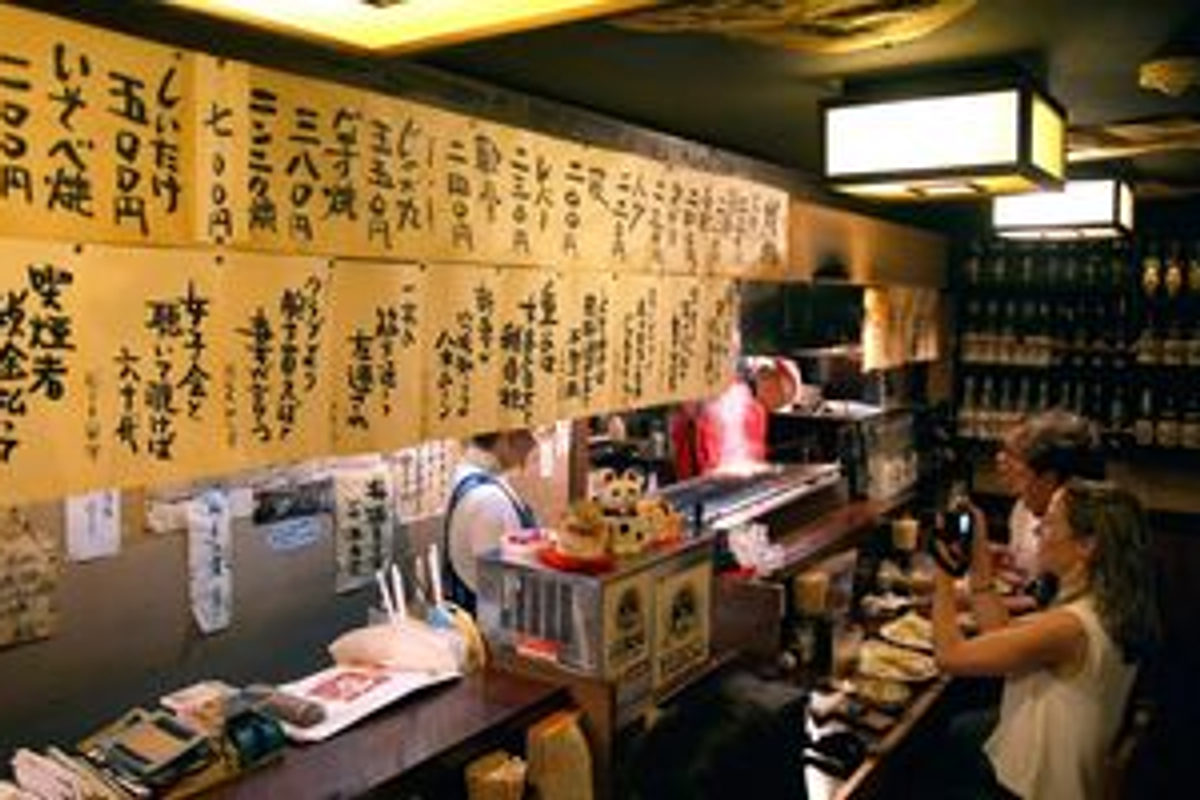
| 18:30 | Back to Sendai for Kokubuncho | Tohoku’s largest nightlife district. The small bars in its yokocho alleys are what Sendai nights are really about |
How to add day two and beyond
Day two goes to Yamagata (an hour on the Senzan Line, for Yamadera and Zao) or to Hiraizumi (an hour by shinkansen plus a local train, for the golden hall of Chuson-ji). Both are comfortable day trips. Day three could take you toward Minamisanriku and Kesennuma. This was the disaster zone of the 2011 Great East Japan Earthquake, and the preserved ruins and survivor-guided walks are a meaningful way to understand disaster preparedness and recovery in Japan. Sendai is the easiest base in Tohoku for reaching every direction.
If you only have half a day
With half a day, pick either central Sendai (Zuihoden, the castle ruins, beef tongue) or Matsushima. Trying to do both in half a day leaves you with nothing but travel.
Frequently asked questions
Does Matsushima live up to being one of the Three Views of Japan?
A bay scattered with more than 260 islands is genuinely distinctive. That said, some visitors do come expecting a knockout panorama and find it underwhelming. Seeing it together with the National Treasure architecture at Zuiganji makes its value much easier to grasp.
How many days does Sendai need?
One day for the city, two including Matsushima. Sendai’s real value is as a base for the rest of Tohoku, and three nights of day trips in different directions is the most efficient use of it.
Let us handle the arrangements
This route is based on the itineraries we actually hand to clients we book for Sendai & Matsushima. We will rearrange it around your dates, energy level, and interests. Just ask.
See Sendai yokocho bar-hopping Free consultation
Planning essentials for Sendai & Matsushima
Beyond the main topic of this article, here is a summary of everything you need to plan a trip to Sendai & Matsushima, with links to the full article on each subject.
Seasons and temperatures
| Season | Typical temperatures | Highlights and cautions |
|---|---|---|
| Spring (Apr–May) | 6–21°C | Cherry blossoms early to mid-April at Nishi Park and Tsutsujigaoka Park. May is the most pleasant month of all |
| Summer (Jun–Aug) | 18–28°C | Cooler than inland Tohoku. The Tanabata festival on August 6–8 is the main event |
| Autumn (Sep–Nov) | 8–24°C | Fall color early to mid-November, when the zelkova trees along Jozenji-dori turn gold |
| Winter (Dec–Mar) | -1–7°C | Little snow and plenty of clear days. December’s Pageant of Starlight defines the city’s winter |
Mid-April through May, and October to mid-November. The Tanabata festival in early August is one of Japan’s three great Tanabata celebrations and genuinely large-scale, and December’s Pageant of Starlight is a real spectacle. For either, lock in lodging early. Clothing guidance and seasonal events are covered in the best time to visit Sendai & Matsushima.
What to eat
- Gyutan teishoku: Thick-cut grilled beef tongue, barley rice, oxtail soup, and pickled chili miso. Those four together are the Sendai way. ¥1,800–3,000
- Sasa-kamaboko: White-fish cake shaped like a bamboo leaf. Some shops let you eat it straight off the grill
- Zunda mochi: Rice cakes under a green paste of crushed edamame. The zunda shake is the standard Sendai Station souvenir
- Sanriku oysters: From Matsushima and Ishinomaki, in season November to March. Some restaurants offer all-you-can-eat grilled oysters
- Haramako-meshi: Rice cooked with salmon and topped with salmon roe. An autumn dish, September to November
- Seri nabe: Hot pot with Japanese parsley, roots and all. A Sendai winter specialty, December to March
- Tuna and hoya: Shiogama lands some of the largest tuna catches in Japan. Hoya (sea pineapple) is a Tohoku delicacy
Lunch ¥1,500–3,000 (a beef tongue set), dinner ¥3,500–7,000. Yokocho bars run ¥2,000–3,000 per stop, and hopping two or three is the local pattern. Given the quality of the seafood, prices are fair, in practice 20–30% below Tokyo. For where to find each dish, see what to eat in Sendai & Matsushima.
Budget at a glance
Figure ¥40,000–55,000 per person for 3 days / 2 nights (roughly CA$400–550): ¥26,000 for two nights, ¥20,000 for three days of food, and ¥9,000 for transport and admissions. The round-trip shinkansen from Tokyo (around ¥22,000) drops out with a nationwide JR Pass.
Hotel rates by class and the cuts that actually save money are detailed in the Sendai & Matsushima budget guide.
Getting there
Sendai is a principal stop on the Tohoku Shinkansen, 1 hour 31 minutes from Tokyo. It is the transport hub of the region, and from here Yamagata, Hiraizumi, Matsushima, and Fukushima all fall within day-trip range.
| Route | Time | Notes |
|---|---|---|
| Tokyo → Sendai | About 1 hr 31 min | Tohoku Shinkansen Hayabusa or Hayate, ¥11,410. Covered by the JR Pass |
| Haneda → Sendai Airport | About 1 hr 5 min | By air, though the shinkansen is more convenient, so this is rarely used |
| Sendai Airport → Sendai Station | About 25 min | Sendai Airport Access Line, ¥660 |
| Sendai → Matsushima-Kaigan | About 40 min | JR Senseki Line, ¥420. Two or three per hour |
| Sendai → Yamagata | About 1 hr | JR Senzan Line, ¥1,170, or highway bus at ¥1,000 |
Local transport and the passes worth buying are covered in getting to Sendai & Matsushima.
Good to know before you go
- Kokubuncho touts: Never follow anyone who approaches you on the street. Inflated-bill disputes do happen
- Understand tsunami evacuation: Coastal areas such as Matsushima and Ishinomaki post evacuation routes. Note where they lead
- Conduct at disaster memorials: Preserved ruins are places of mourning. Photography is allowed, but please be mindful of how you behave
- Matsushima cruises: They cancel in strong wind. Check the day’s operating status
- The Zuihoden steps: A steep stone stairway through cedar woods, slippery in the rain
- Bear country: The hills around Akiu and Sakunami are Asian black bear habitat
- Winter ice: Snow is light, but roads and paths freeze morning and night
Etiquette and emergency contacts are covered in what to know before visiting Sendai & Matsushima.
More frequently asked questions about Sendai & Matsushima
Is the Tanabata festival worth seeing?
Yes. The giant streamers filling the arcades are on a different scale from Tanabata anywhere else in Japan. But it runs only three days, August 6–8, and rooms sell out months ahead.
Is winter a reasonable time to visit?
Sendai is the easiest Tohoku city to move around in winter: little snow, lots of clear weather. During December’s Pageant of Starlight, the whole city turns bright.
Is beef tongue the same everywhere?
No. Thickness, aging time, and grilling technique give each restaurant its own character. The place with the longest line is not necessarily the one you will like, so trying two is worthwhile.
Can I handle hoya?
It divides people. It has a distinctive aroma, and a fresh one is notably sweet. It is not something you can eat routinely outside Tohoku, so it is worth attempting. Start with a small serving of sashimi.
Is Akiu Onsen worth a night?
Yes. It is a hot-spring town 30 minutes by car from Sendai Station, the most genuine onsen this close to a major city in Tohoku. One night in Sendai and one at Akiu is a combination clients ask for often.
Is Sendai cheaper than Tokyo?
In practice, 30–40% on lodging and 20–30% on food. The balance of seafood quality against price is not remotely comparable.
Is Sendai a good base?
For touring Tohoku, the best one. It is a shinkansen stop with deep hotel supply, and Yamagata, Hiraizumi, Matsushima, and Fukushima are all day trips. You see a wide swath of the region without moving your luggage.
Can I day-trip to Hiraizumi?
Yes. Thirty minutes by shinkansen to Ichinoseki, then eight minutes on a local train. See the golden hall of Chuson-ji and Motsu-ji, and you are back in Sendai by evening.
Is it appropriate to visit the disaster area?
Many of these communities treat telling the story of the disaster as part of their recovery. The preserved ruins and memorial museums are places where visitors are welcomed. Just do not forget that people still live there.
What do I do in an earthquake?
Protect your head first and wait for the shaking to stop. If you are on the coast, move to high ground as soon as it does. “If it shakes, go up” is the single most important principle in this region.

Plan this trip with IACE
Everything in this article is knowledge we use in real bookings every day. Tell us your dates, group size and interests, and we will turn it directly into your own itinerary.