What to know before visiting Kurashiki & Okayama: local etiquette and pitfalls
The things that catch North American travelers off guard in Kurashiki & Okayama, laid out in advance. Less about danger, more about not losing time and money.
Contents
Kurashiki and Okayama pose no safety concerns. The things to keep in mind are that the Bikan quarter is a place where people live and shops actually trade, and the summer heat.
Things that catch visitors off guard
| Topic | How it really works |
|---|---|
| The Bikan quarter is a lived-in place | People live and do business behind those white walls. Do not enter private property |
| Unfenced canal banks | Stretches of the Kurashiki canal have no railings. Keep an eye on small children |
| Closing times | Shops in the Bikan quarter close at 5–6 PM |
| Summer heat | The Seto Inland Sea is humid, and glare off the white walls raises how hot it feels |
| Ohara Museum closures | Closed Mondays (or the following day when Monday is a holiday). Check your visit date |
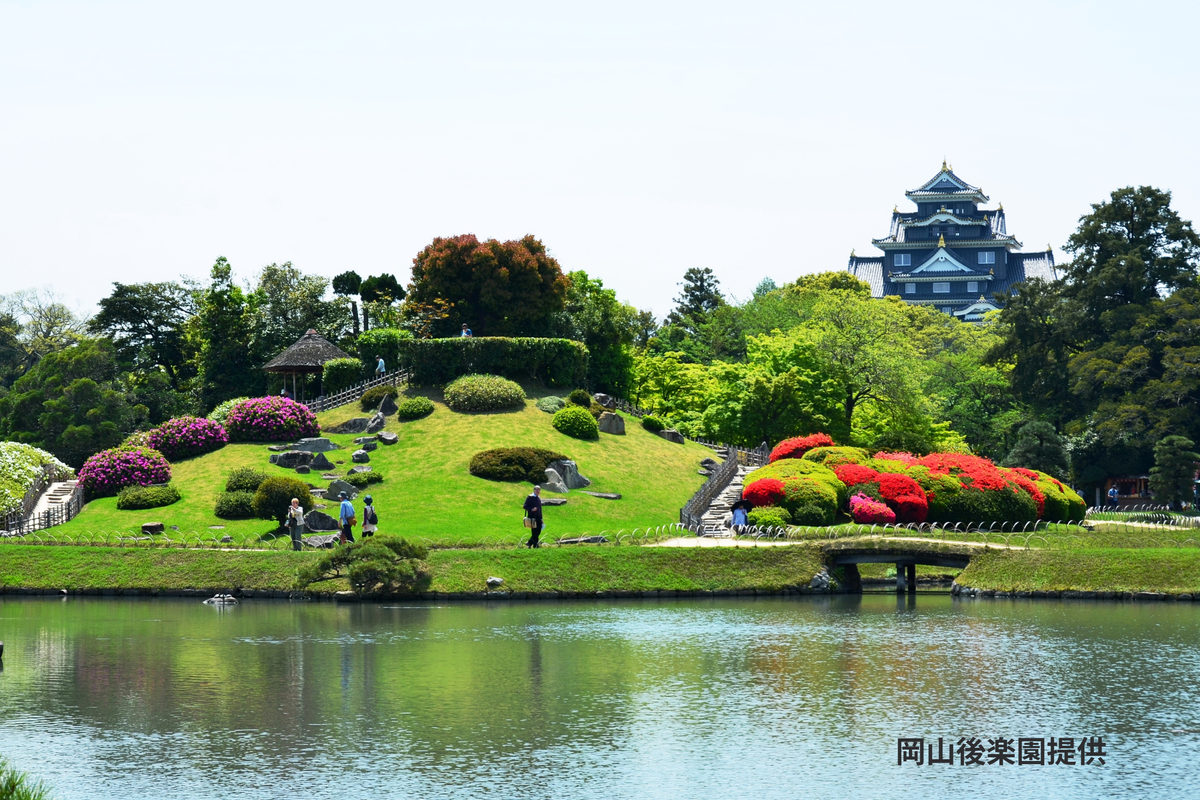
| The size of Korakuen | 13 hectares. A leisurely round takes an hour and a half |
| Naoshima reservations | The Chichu Art Museum and others require reservations. Same-day tickets are not always available |
How to handle yourself
The buildings in the Kurashiki Bikan quarter are Edo-period merchant houses still in use today. Keep photography to the street and ask permission before shooting inside shops. Please do not touch the willow trees or lean against the white walls. Photography inside the Ohara Museum of Art is restricted. Korakuen and Okayama Castle are cultural properties, so take care not to stray outside the designated areas on the lawns. On the Kurashiki canal boats, avoid taking photos where you would block the way.
If something goes wrong
Police: 110. Fire and ambulance: 119. Okayama and Kurashiki both have general hospitals. This region is known for having few natural disasters, though the 2018 West Japan floods hit the Mabicho district of Kurashiki hard. Watch weather bulletins during heavy rain, and guard against heatstroke in summer. Customers who book with us can contact our staff, who will handle the Japanese on your behalf.
Frequently asked questions
Does Kurashiki get crowded?
Weekend afternoons are busy, but nothing like Kyoto or Kamakura. Weekdays, and mornings and evenings, are remarkably quiet.
Is it manageable with a stroller or wheelchair?
The main streets of the Bikan quarter are flat and, though stone-paved, passable. Some townhouse interiors and the Ohara Museum annex do have steps.
Let us handle the arrangements
If you book through us, you can reach your contact at our Toronto or Vancouver office whenever trouble comes up on the ground, and we take over any negotiation with hotels and transport providers in Japanese.
See the Okayama walking tour Free consultation
Planning essentials for Kurashiki & Okayama
Beyond the main topic of this article, here is a summary of everything you need to plan a trip to Kurashiki & Okayama, with links to the full article on each subject.
A one-day route at a glance
9:00 Okayama Station → 9:30 Okayama Korakuen → 11:00 Okayama Castle → 12:30 Lunch in Okayama → 14:00 On to Kurashiki → 14:30 Kurashiki Bikan historical quarter → 15:30 Ohara Museum of Art → 17:00 Honmachi & Higashimachi streets → 18:30 Kurashiki at night
With half a day, do the Kurashiki Bikan quarter alone. The white-walled streets and the Ohara Museum take about 3 hours.
Extending beyond day one
On day 2, consider Naoshima (20 minutes by ferry from Uno Port, an island of contemporary art), Onomichi (the town of slopes), or Washuzan (views of the Great Seto Bridge). Kurashiki gives easy access to the islands of the Seto Inland Sea, and if art is your aim, it puts you within reach of the Setouchi Triennale islands: Naoshima, Teshima, and Inujima. On day 3, head for Hiroshima or cross to Shikoku (about an hour to Takamatsu over the Great Seto Bridge). Kurashiki sits at the junction between Honshu and Shikoku. For the full timed itinerary, see the Kurashiki & Okayama itinerary.
Seasons and temperatures
| Season | Typical temperatures | Highlights and cautions |
|---|---|---|
| Spring (Mar–May) | 9–24°C | Cherry blossoms late March–early April. At Korakuen and along the Kurashiki canal |
| Summer (Jun–Aug) | 23–33°C | Hot and humid. The white-walled streets have little shade, and midday is punishing |
| Autumn (Oct–Nov) | 13–26°C | The most comfortable season. Autumn foliage in late November |
| Winter (Dec–Feb) | 3–12°C | Mild and often clear. Snow is rare, and this is the quietest season for visitors |
October–November and late March–May. Because clear days are so common, winter (December–February) is actually not a bad choice either. It draws the fewest visitors, and you can walk the white-walled streets in peace. Summer is humid, and glare off the white walls makes the middle of the day hard going. Clothing guidance and seasonal events are covered in the best time to visit Kurashiki & Okayama.
What to eat
- Barazushi (Okayama-zushi): A festive sushi covered with Seto Inland Sea seafood and vegetables. Originally festival food
- Mamakari: A small herring-family fish, pickled in vinegar. The name comes from a saying that it is so good you go borrow rice from the neighbors
- Demi-katsu-don: A pork cutlet rice bowl with demi-glace sauce. An Okayama original
- Ebimeshi: Black fried rice, born in Okayama. Rice fried in sauce with shrimp
- Peaches & muscat grapes: Okayama is a fruit kingdom. Peaches are in season July–August, muscat grapes August–October
- Kibi dango: Okayama is the land of the Momotaro legend, and these are the standard souvenir
- Bukkake udon: Born in Kurashiki. Cold udon eaten with a strong dashi poured over the top
Lunch ¥1,200–2,500, dinner ¥3,000–6,000. Some places in Kurashiki charge tourist prices, but step one street back and you are paying local rates. Fruit can be expensive depending on the season, though at the source it runs about half what it costs in Tokyo. For where to find each dish, see what to eat in Kurashiki & Okayama.
Budget at a glance
For 2 days and 1 night, budget ¥25,000–38,000 per person (roughly CA$250–380): ¥13,000 for the hotel, ¥10,000 for two days of food, ¥3,000 for admissions, and ¥2,000 for local transport. The round trip from Osaka (around ¥12,000) is covered if you hold a nationwide JR Pass.
Hotel rates by class and the cuts that actually save money are detailed in the Kurashiki & Okayama budget guide.
Getting there
Okayama is a main stop on the Sanyo Shinkansen: 45 minutes from Osaka, 3 hours 15 minutes from Tokyo. It is also the gateway to Shikoku, an hour to Takamatsu across the Great Seto Bridge. Kurashiki is 17 minutes from Okayama by JR.
| Route | Time | Notes |
|---|---|---|
| Osaka → Okayama | About 45 minutes | Sanyo Shinkansen, around ¥6,000. Covered by the JR Pass |
| Tokyo → Okayama | About 3 hours 15 minutes | Sanyo Shinkansen Nozomi, ¥17,660 |
| Okayama → Kurashiki | About 17 minutes | JR Sanyo Line, ¥320. Three or four trains an hour |
| Okayama → Takamatsu (Shikoku) | About 1 hour | JR Marine Liner rapid, ¥1,660. Crosses the Great Seto Bridge |
| Okayama → Uno (for Naoshima) | About 50 minutes | JR Uno Line. Then 20 minutes by ferry from Uno Port to Naoshima |
Local transport and the passes worth buying are covered in getting to Kurashiki & Okayama.
More frequently asked questions about Kurashiki & Okayama
Can Kurashiki be done as a day trip?
It is an hour and a half from Osaka by shinkansen plus a local train, so yes. But the quarter is at its best lit up in the evening and empty in the early morning, which makes an overnight stay worthwhile too.
Is the Ohara Museum of Art worth visiting?
It was Japan’s first museum of Western art, and its collection includes El Greco’s Annunciation along with Monet, Gauguin, and Picasso. The fact that a provincial businessman built it in 1930 is itself the story of this museum.
Is the "land of sunshine" claim true?
Okayama Prefecture records among the most days per year with under 1 mm of rain in Japan. For travelers, that means an itinerary less likely to be washed out.
Is winter worth it?
Yes. It is mild, often clear, and the least crowded season of the year. Having the white-walled streets to yourself is a privilege of winter.
Is there anywhere to eat in Kurashiki at night?
Most shops in the Bikan quarter close at 5–6 PM, but a handful stay open in the evening. Walk back toward Kurashiki Station and the choice widens. If you are staying overnight, settle on a dinner plan in advance.
When is fruit in season?
Peaches July–August, muscat and pione grapes August–October, strawberries January–May. At the source you can buy top-quality fruit for about half the Tokyo price.
Should I stay in Kurashiki or Okayama?
Kurashiki if you want the quarter at night and in the early morning; Okayama for a wider choice of hotels and evening restaurants. They are 17 minutes apart by JR, so either works.
Is ¥2,000 a lot for the Ohara Museum of Art?
It is reasonable given a permanent collection that includes El Greco, Monet, Gauguin, and Picasso. Admission also covers the annex and the craft and Asian art galleries, and a thorough visit takes two hours.
How do I get to Naoshima?
From Okayama, take the JR Uno Line to Uno Port (50 minutes), then a 20-minute ferry to Naoshima. Alternatively, it is 50 minutes by ferry from Takamatsu Port. Naoshima is an island of contemporary art, and venues such as the Chichu Art Museum require reservations.
Can I cross to Shikoku?
The Marine Liner rapid runs from Okayama to Takamatsu in an hour. The view of the island-scattered Seto Inland Sea from the Great Seto Bridge is superb. It is covered by the JR Pass, so you can fold Honshu and Shikoku into a single trip.

Plan this trip with IACE
Everything in this article is knowledge we use in real bookings every day. Tell us your dates, group size and interests, and we will turn it directly into your own itinerary.